Castellón province by motorhome: coast, mountains and villages
Castellón is the northernmost province of the Valencian Community: 135 municipalities, a flat coast with castles and natural parks and an almost empty mountainous interior. This guide sorts out what to see, with official data on where to stay with the motorhome.
In short
- 640,598 inhabitants (INE 2025), 135 municipalities and 8 comarcas; its coast is the Costa del Azahar.
- Official register: 49 campsites (39 with an annual period) and one transit overnight area.
- Mild winters on the coast and cold inland: Morella has about 50 frost days a year.

The province in brief
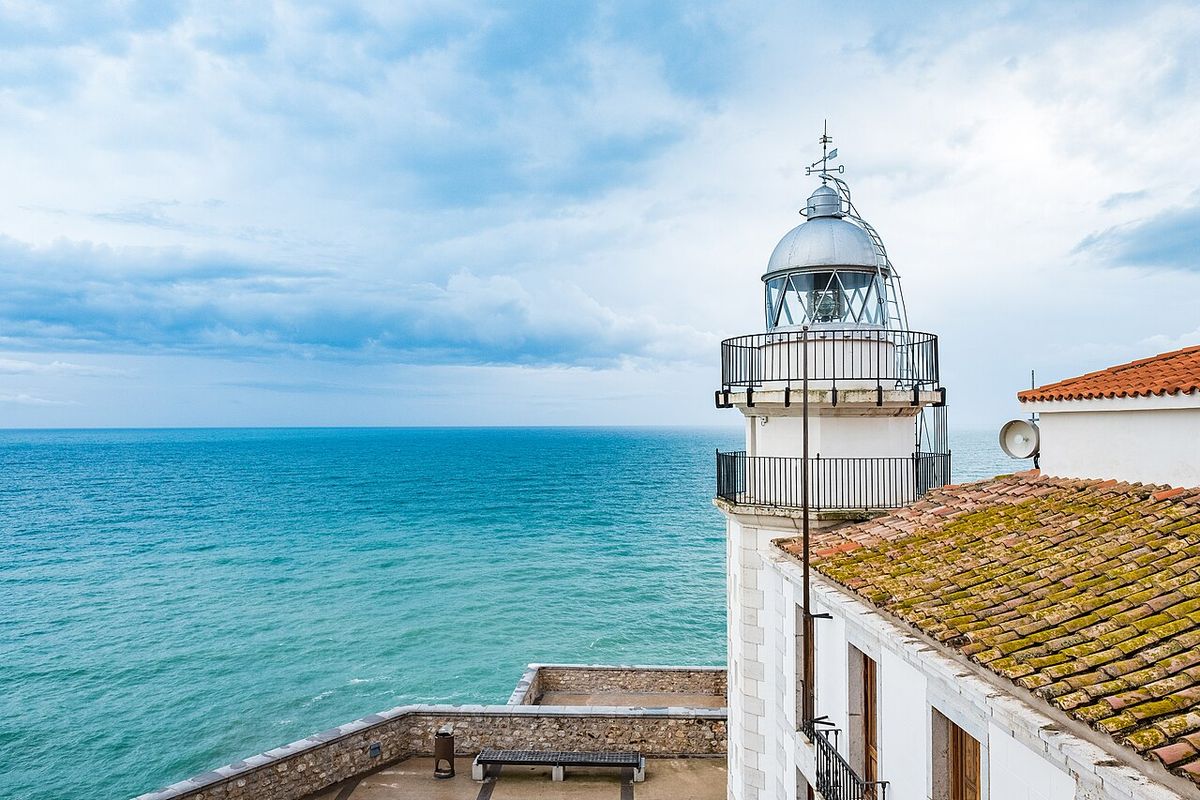
- It borders the Mediterranean, Tarragona, Teruel and Valencia. Most of the population lives on the coastal strip.Wikipedia (Spanish): province of Castellón
- Its highest peak is Penyagolosa (1,813 m), the second in the community; the uninhabited Columbretes Islands are 56 km off the coast.Wikipedia (Spanish): province of Castellón
- Mediterranean climate with mild winters; inland it is colder, with snow in winter.Wikipedia (Spanish): province of Castellón
The coast: Peñíscola, Alcossebre and the Prat de Cabanes
Peñíscola
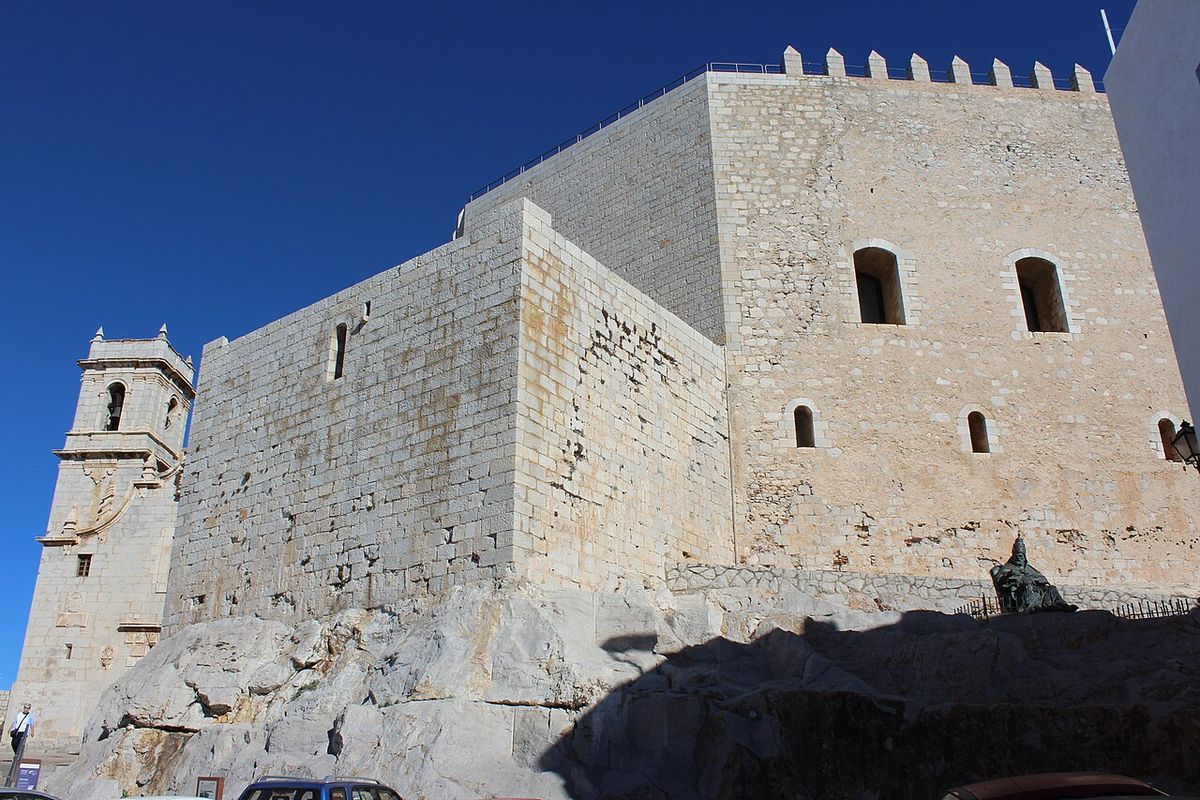
The town stands on a tombolo, a rocky peninsula, and its castle, at 66 m above sea level, overlooks an old town that splits the coast into two halves. It has 8,774 inhabitants (INE 2025), has had city status since 1707 and has belonged to the network Los pueblos más bonitos de España since January 2013. It is 73 km from Castelló de la Plana.Wikipedia (Spanish): Peñíscola The official register lists 10 campsites in the municipality, 9 with an annual period.Generalitat Valenciana open data: list of campsites (copy of 17 Nov 2026)

Alcossebre
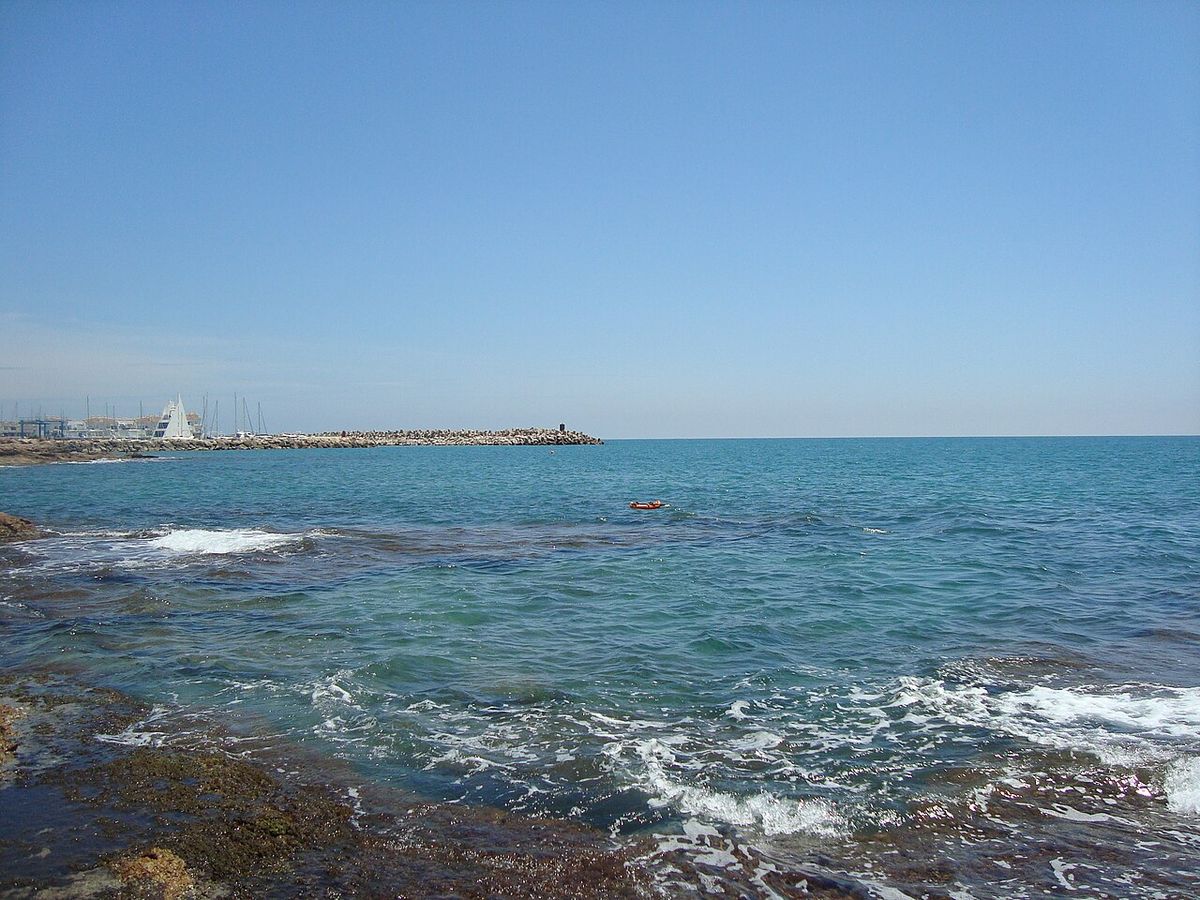
Alcossebre is the coastal area of Alcalà de Xivert, a municipality of 7,349 inhabitants 50 km from the provincial capital, between the Costa del Azahar and the inland Maestrazgo. It borders the Sierra de Irta and has 4 registered campsites, 4 with an annual period.Wikipedia (Spanish): Alcalà de XivertGeneralitat Valenciana open data: list of campsites (copy of 17 Nov 2026) It is the base we recommend for winter, with the reasoning in wintering by motorhome on the Levante coast.
Declaration of interest: the owner of this website has professional ties with Alcossebre. They receive no commission or consideration from any campsite, area or business cited, and the recommendation is based on the criteria stated.

Sierra de Irta
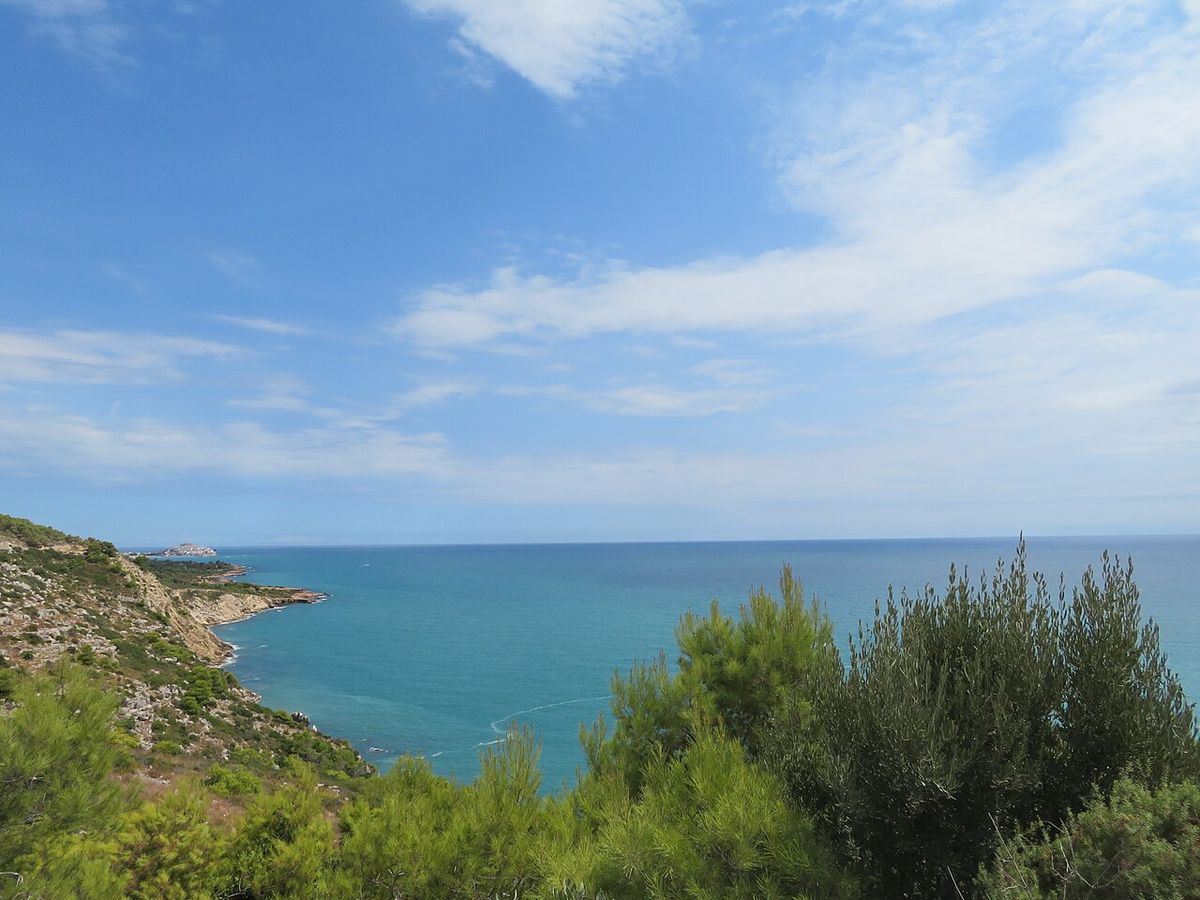
Declared a natural park on 16 July 2002, it protects 7,743 land hectares and 2,448 marine hectares between Peñíscola, Alcalà de Xivert and Santa Magdalena de Pulpis. Its summit is Campanilles (572 m) and its coast adds up to some 12 km of cliffs and coves, with the Badum tower as a landmark. Among its vegetation the dwarf fan palm stands out, typical of Mediterranean scrub.Wikipedia (Spanish): Sierra de Irta Natural Park
For a motorhome the key point is access: in summer 2023 the Generalitat regulated motor vehicle access along the coastal track (control from 15 July to 10 September; 72 designated parking spaces and parking outside them prohibited), with the aim of organising parking and halving traffic. Always check the current regulation.Generalitat Valenciana: report on the regulation of vehicle access to the Sierra de Irta, summer 2023

Prat de Cabanes-Torreblanca
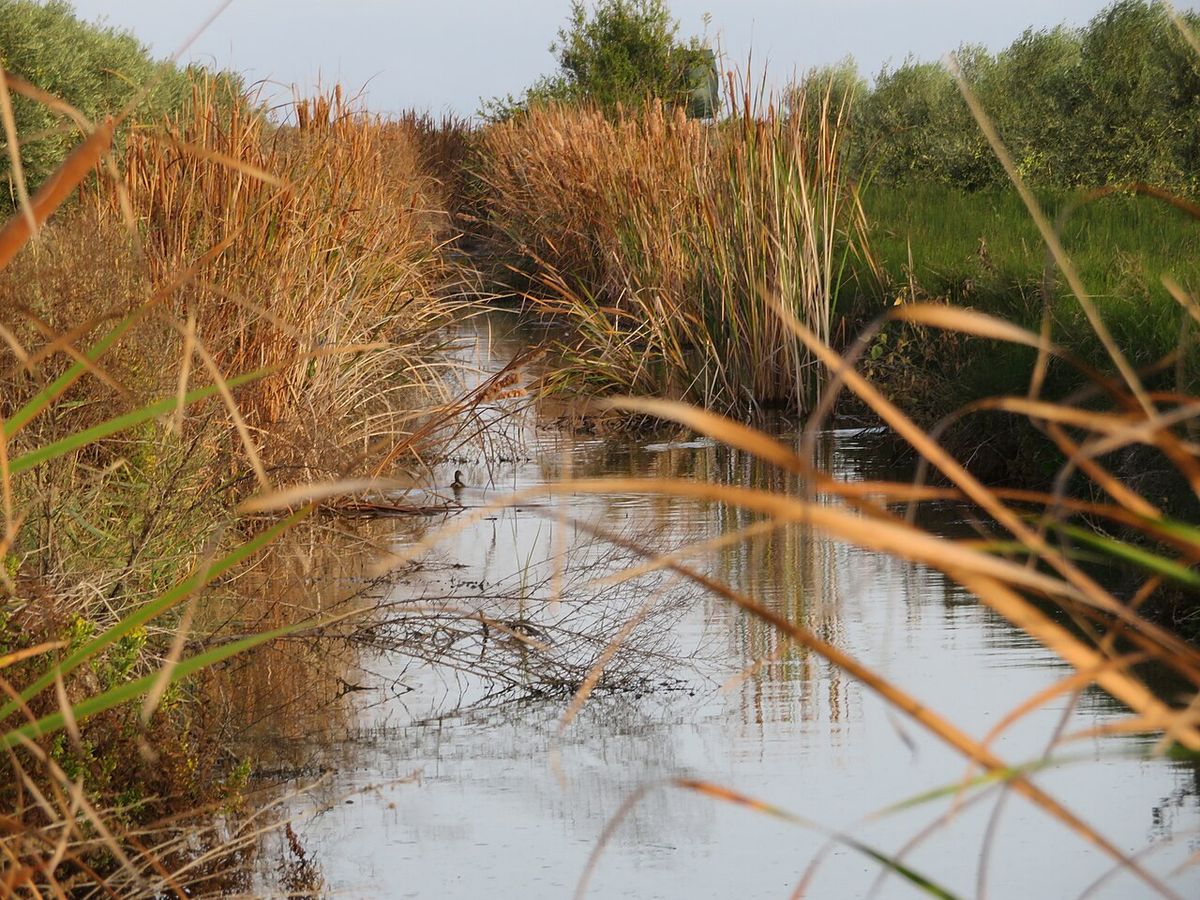
A natural park since 27 December 1994, it covers 865 hectares of wetland between Cabanes and Torreblanca, about 7 km long and 1.5 km wide, between the Sierra de Irta and the Desierto de las Palmas. Two emblematic protected fish live there, the samaruc and the fartet, and it hosts wintering birds such as the cormorant, the marsh harrier and the kingfisher. It is reached by the N-340 or by the AP-7 at Oropesa del Mar.Wikipedia (Spanish): Prat de Cabanes-Torreblanca Natural Park

The interior: Sant Mateu, Culla, Ares and Morella
Sant Mateu
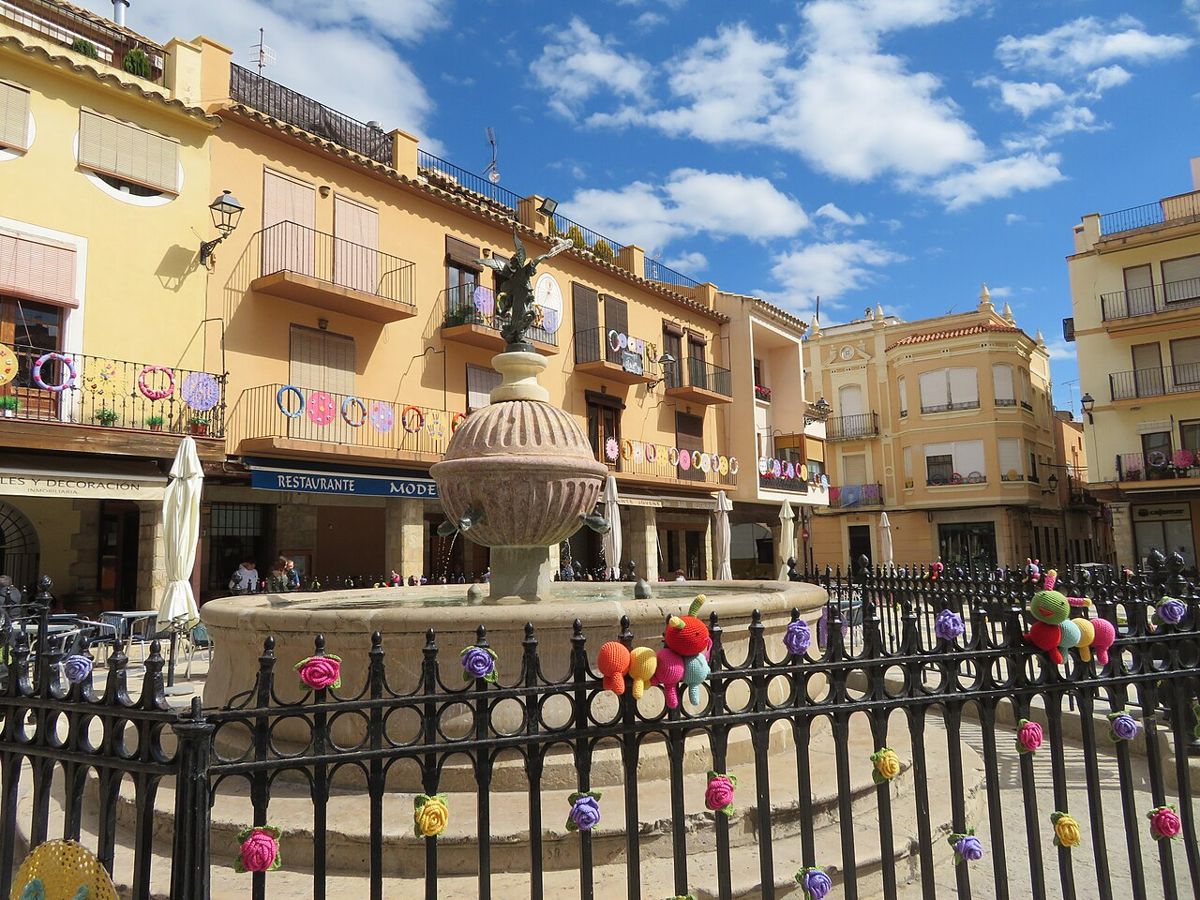
The historic capital of the Maestrazgo, 65 km from Castelló de la Plana and at 325 m, it keeps a historic centre declared a site of cultural interest. Its archpriest church is a key monument of Valencian Gothic, with a 13th-century Romanesque portal.Wikipedia (Spanish): Sant Mateu

Millenary olive trees (La Jana and Canet lo Roig)
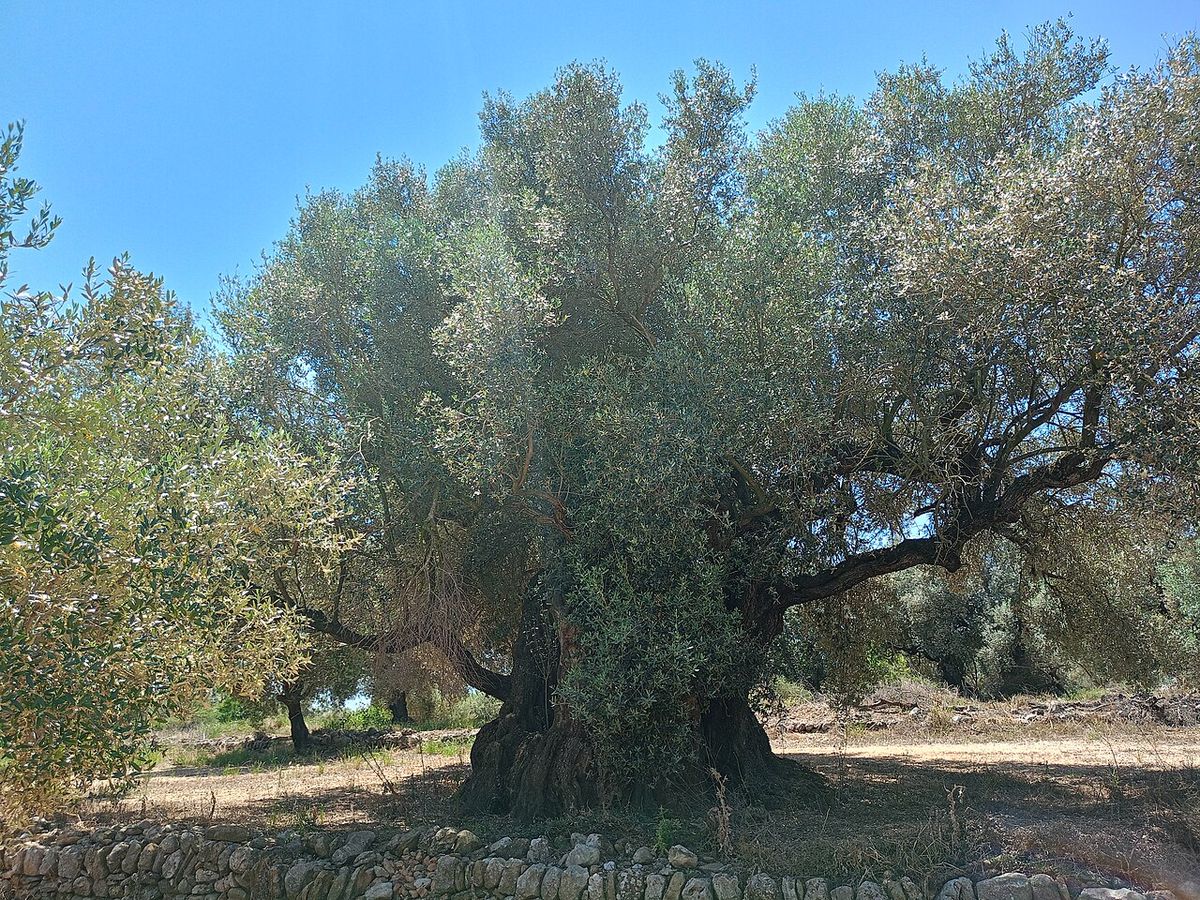
The Pou del Mas Natural Museum of Millenary Olive Trees, in La Jana, is an open-air museum opened in November 2012 with 21 specimens; the municipality has some 966 millenary olive trees. To count as millenary, an olive tree must have a trunk at least 3.5 m in diameter at 1.30 m above the ground. In Canet lo Roig, trail SL-CV 58 is a 5.90 km loop taking 1 h 20 min, with 60 m of ascent, starting at the Font de la Canal; it passes the “olivera de les quatre pates”, awarded best monumental olive tree in Spain in 2016. The provincial council also proposes a 14 km circular route with 415 m of ascent.Wikipedia (Spanish): Pou del Mas Natural Museum of Millenary Olive TreesFEMECV: SL-CV 58 «Ruta de los Olivos Milenarios» trail (Canet lo Roig)Turisme Castelló (provincial council): millenary olive trees route, Canet lo Roig

Culla
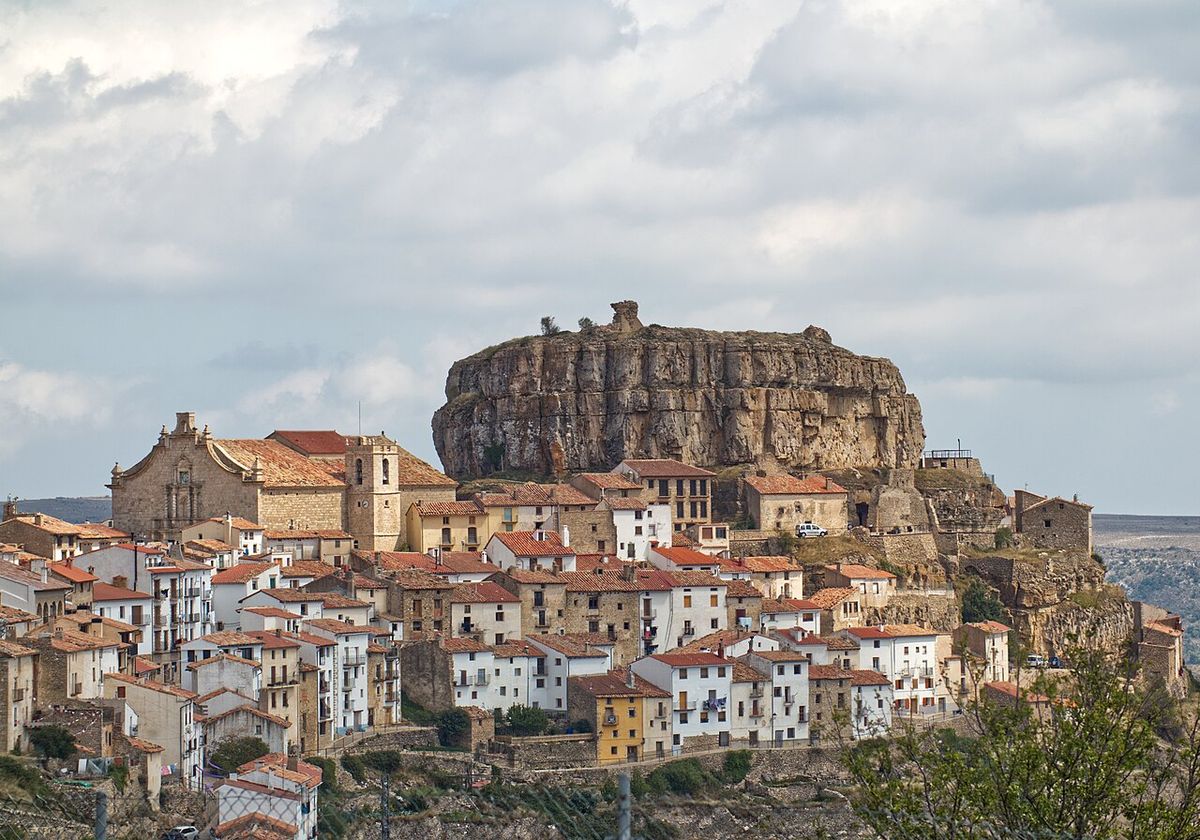
A medieval village in the Alto Maestrazgo (503 inhabitants, INE 2025) in Los pueblos más bonitos de España. It lies in the Seguras range and in winter it is colder than on the coast and may snow. In the black truffle season it hosts a market: the 2025-2026 edition ran from 7 December 2025 to 8 February 2026; check each season’s dates on the official tourism site.Wikipedia (Spanish): CullaTurisme Comunitat Valenciana: truffle and Maestrat products market (Culla)
Ares del Maestrat
With 181 inhabitants (INE 2025), it sits on a promontory crowned by the ruins of the Templar castle, between 700 and 1,300 m above sea level, with temperatures ranging from -10 °C in winter to 30 °C in summer. Its municipality holds the Cueva Remigia, with Levantine rock art.Wikipedia (Spanish): Ares del Maestrat

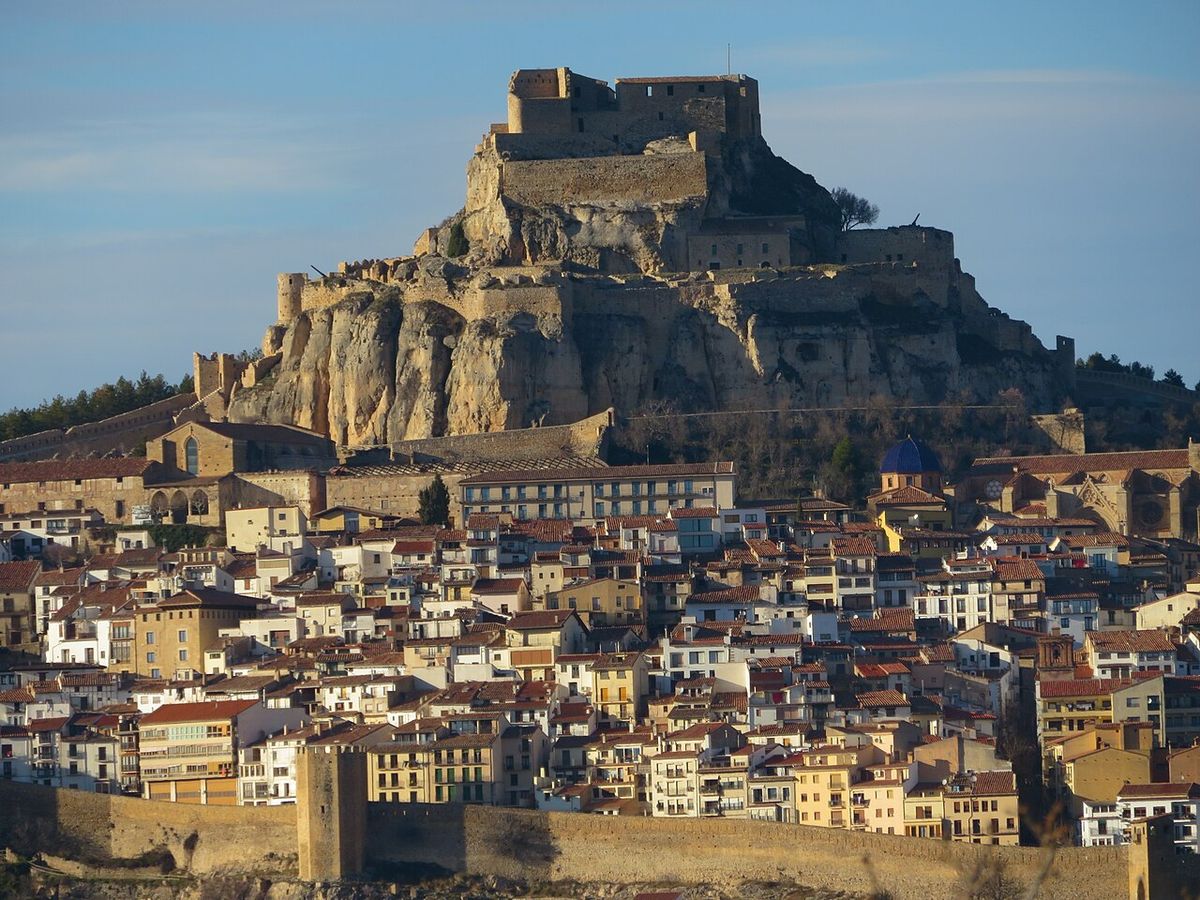
Morella
At 985 m above sea level and 102 km from Castelló de la Plana, Morella (2,501 inhabitants, INE 2025) is surrounded by medieval walls some 2,500 m in perimeter and 10 to 15 m high, and its castle was declared a Historic-Artistic Monument in 1931. Its climate is high mountain: about 50 frost days and 15 snow days a year, with mistral wind in winter.Wikipedia (Spanish): Morella

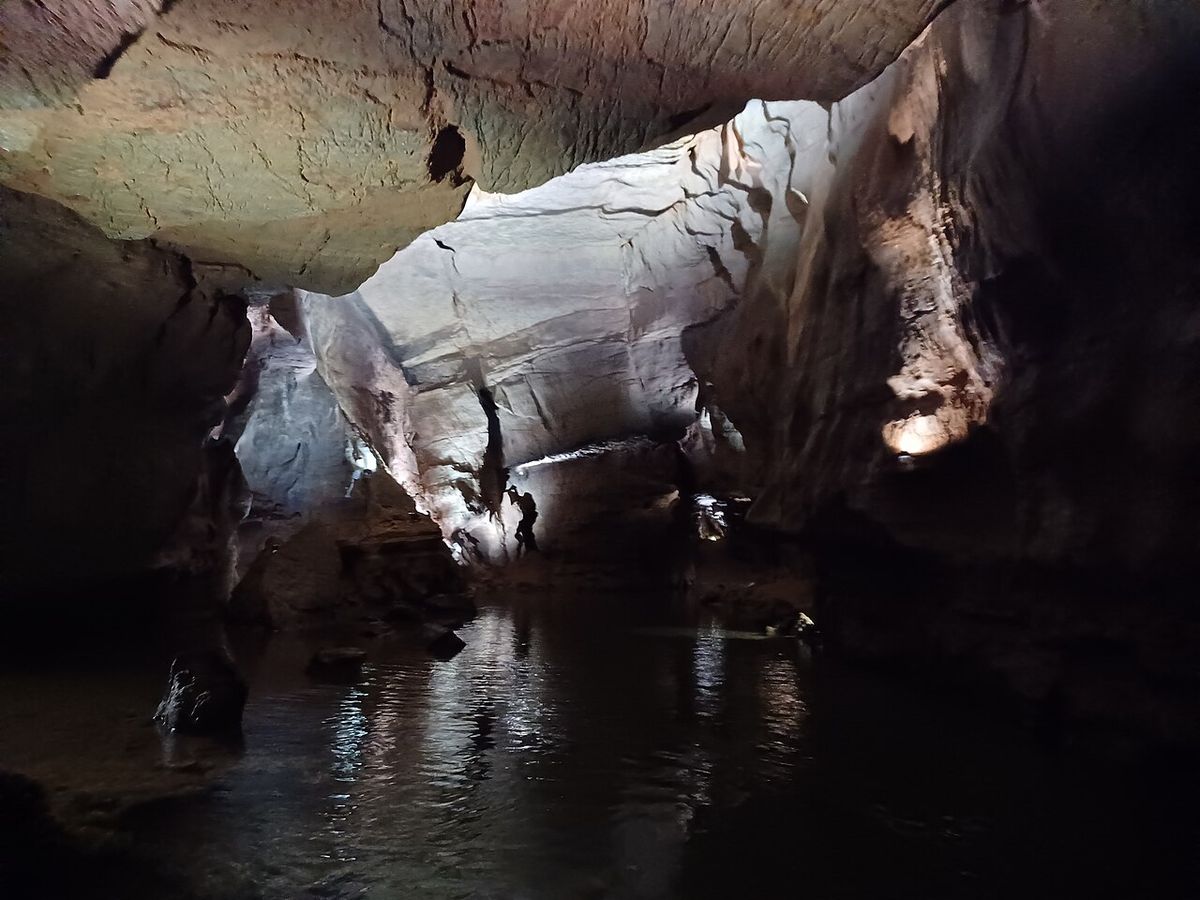
Grutas de San José, in the Vall d'Uixó
It is a cave system with an underground river: 2,750 m of length, a constant 20 °C all year round, and considered the longest navigable underground river in Europe. The cavity has been known since the Upper Palaeolithic, some 17,000 years ago.Wikipedia (Spanish): Grutas de San José (Vall d'Uixó)

Where to stay in Castellón: the official figures
The official register lists one transit overnight area in the province, the Costa Azahar Camper Park, in Castelló de la Plana (114 pitches, annual period, registered 22-11-2024). The rest of the supply is campsites; these are the municipalities with the most registered campsites:Generalitat Valenciana open data: list of overnight stay areas (copy of 17 Nov 2026)Generalitat Valenciana open data: list of campsites (copy of 17 Nov 2026)
| Municipality | Registered campsites | With annual period |
|---|---|---|
| Peníscola | 10 | 9 |
| Benicàssim | 5 | 4 |
| Cabanes | 4 | 3 |
| Alcalà de Xivert | 4 | 4 |
| Orpesa | 4 | 2 |
| Vinaròs | 2 | 2 |
| Moncofa | 2 | 2 |
| Atzeneta del Maestrat | 1 | 1 |
Inland, the register also lists, with an annual period, the Camper Area Vilafamés campsite (60 pitches; registered as a campsite) and the campsites Maestrat Park (Sant Jordi), Ciudad del Ciclismo (Cervera del Maestre) and La Tinença-Molí l'Abad (La Pobla de Benifassà).Generalitat Valenciana open data: list of campsites (copy of 17 Nov 2026)
The rules worth knowing
- Parking is not camping. According to the DGT, a motorhome is parked when it stands in a permitted place, without exceeding the road markings or the time limit, and what happens inside does not spill outside through awnings, canopies, levelling devices or stabilisers. Camping is only allowed in designated areas (campsites or car parks, depending on each region’s rules).DGT (Spain): travelling by caravan, trailer or motorhome (parking and camping, in Spanish; copy of 20 Oct 2026)
- Transit overnight areas: 48 hours at most. The Valencian regulation limits the occupation of a pitch in these areas to 48 hours, and they only admit campervans and motorhomes, no tents. Car parks that town councils set up for motorhomes are not “overnight areas” and follow municipal rules.DOGV: Decree 10/2021, regulation of tourist accommodation (8 Feb 2021)
- Campsites: contracts of up to one year. In campsites, the pitch occupation contract can run up to one year, which is why campsites with an annual period are the natural base for a long stay.DOGV: Decree 10/2021, regulation of tourist accommodation (8 Feb 2021)
- Every municipality and park has its own rules. Before staying overnight outside a campsite or area, check the town’s ordinance and the rules of the natural area.
For mountain roads, the DGT reminds that a motorhome is longer, wider and taller than a car and asks for attention to height and width limit signs.DGT (Spain): travelling by caravan, trailer or motorhome (parking and camping, in Spanish; copy of 20 Oct 2026)
Next step
If you want a ready route, we have put together a 7-day Castellón itinerary. And for the whole community, the Valencian Community by motorhome.
Frequently asked questions
How many campsites are there in Castellón province?
The Generalitat’s official register (17 Nov 2026) lists 49 campsites in Castellón, 39 with an annual period, and 1 transit overnight area.Generalitat Valenciana open data: list of campsites (copy of 17 Nov 2026)Generalitat Valenciana open data: list of overnight stay areas (copy of 17 Nov 2026)
Is it cold inland in Castellón in winter?
Yes: Morella has around 50 frost days a year and 15 snow days on average, and Ares del Maestrat can reach -10 °C in winter. The coast is much milder.Wikipedia (Spanish): MorellaWikipedia (Spanish): Ares del Maestrat
Can I enter the Sierra de Irta with a motorhome?
Access along the coastal track has its own regulation: in summer 2023 the Generalitat controlled access from 15 July to 10 September and parking was only allowed in the 72 designated spaces. Check the current regulation before going.Generalitat Valenciana: report on the regulation of vehicle access to the Sierra de Irta, summer 2023
Sources
- Wikipedia (Spanish): province of Castellón
- Wikipedia (Spanish): Peñíscola
- Wikipedia (Spanish): Alcalà de Xivert
- Wikipedia (Spanish): Sierra de Irta Natural Park
- Wikipedia (Spanish): Prat de Cabanes-Torreblanca Natural Park
- Wikipedia (Spanish): Sant Mateu
- Wikipedia (Spanish): Pou del Mas Natural Museum of Millenary Olive Trees
- Wikipedia (Spanish): Culla
- Wikipedia (Spanish): Ares del Maestrat
- Wikipedia (Spanish): Morella
- Wikipedia (Spanish): Grutas de San José (Vall d'Uixó)
- FEMECV: SL-CV 58 «Ruta de los Olivos Milenarios» trail (Canet lo Roig)
- Turisme Castelló (provincial council): millenary olive trees route, Canet lo Roig
- Turisme Comunitat Valenciana: truffle and Maestrat products market (Culla)
- Generalitat Valenciana: report on the regulation of vehicle access to the Sierra de Irta, summer 2023
- Generalitat Valenciana open data: list of overnight stay areas (copy of 17 Nov 2026)
- Generalitat Valenciana open data: list of campsites (copy of 17 Nov 2026)
- DGT (Spain): travelling by caravan, trailer or motorhome (parking and camping, in Spanish; copy of 20 Oct 2026)