7-day Castellón itinerary by motorhome
Seven days by motorhome around Castellón province: from Peñíscola and Alcossebre to the Sierra de Irta, then inland through Sant Mateu, the millenary olive trees, Culla, Ares del Maestrat and Morella, finishing with the Prat de Cabanes and the Grutas de San José. Each day says where to stay according to the Generalitat’s official register.
In short
- A route from north to south and from the coast to the interior, with a cold mountain day (Morella) best done in good weather.
- Natural parks: Sierra de Irta (access regulated in summer) and Prat de Cabanes-Torreblanca.
- To sleep: campsites with an annual period in the official register and one transit overnight area (48 h maximum).
Before you set off
- Overnight rules: parking is not camping and transit areas allow 48 hours at most.DGT (Spain): travelling by caravan, trailer or motorhome (parking and camping, in Spanish; copy of 20 Oct 2026)DOGV: Decree 10/2021, regulation of tourist accommodation (8 Feb 2021) See the rules.
- On mountain roads, watch the height and width limit signs.DGT (Spain): travelling by caravan, trailer or motorhome (parking and camping, in Spanish; copy of 20 Oct 2026)
- If you do not have a vehicle, see how to rent one in campervan hire in Spain.
Day 1: Peñíscola
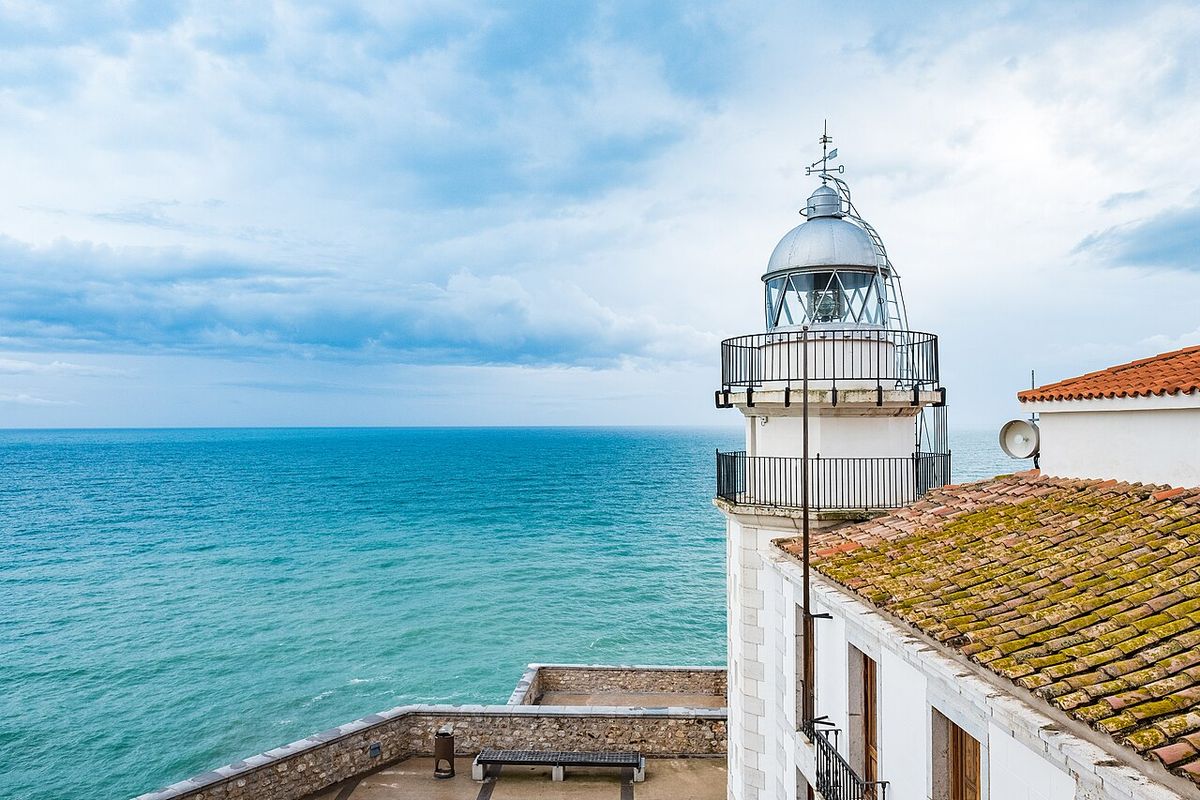

Old town on the tombolo, the castle 66 m above sea level and the lighthouse. Peñíscola is 73 km from Castelló de la Plana and has belonged to Los pueblos más bonitos de España since 2013.Wikipedia (Spanish): Peñíscola
Where to stay: the official register lists 10 campsites in Peñíscola, 9 with an annual period.Generalitat Valenciana open data: list of campsites (copy of 17 Nov 2026)
Day 2: Sierra de Irta and Alcossebre
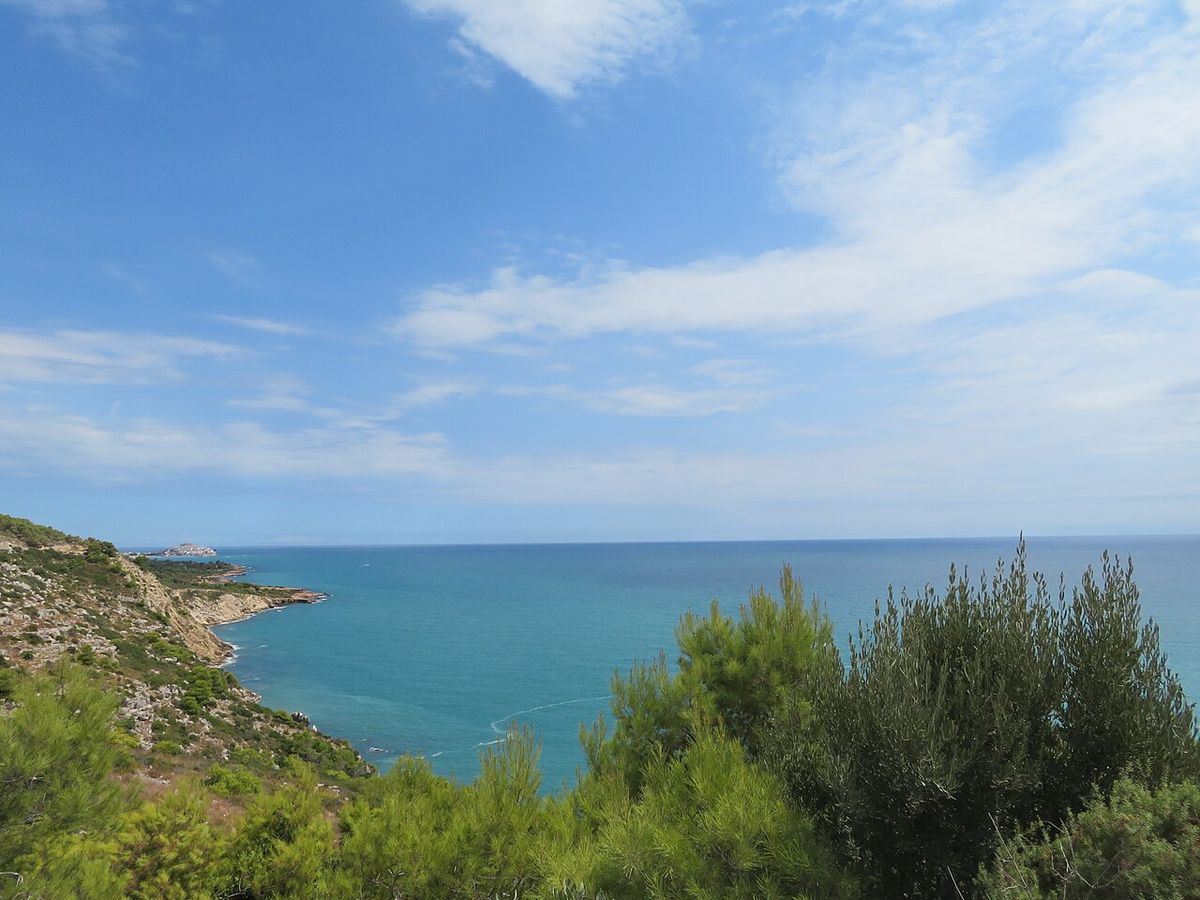

A day of nature and coast: the natural park (7,743 land hectares, a coast of about 12 km of cliffs and coves, Torre Badum as a landmark) and the Alcossebre coastal area. In summer, access along the coastal track was controlled in 2023 from 15 July to 10 September with 72 designated parking spaces; check the current regulation.Wikipedia (Spanish): Sierra de Irta Natural ParkGeneralitat Valenciana: report on the regulation of vehicle access to the Sierra de Irta, summer 2023
Where to stay: Alcalà de Xivert-Alcossebre has 4 registered campsites, 4 with an annual period.Generalitat Valenciana open data: list of campsites (copy of 17 Nov 2026)
Day 3: Sant Mateu and the millenary olive trees of La Jana
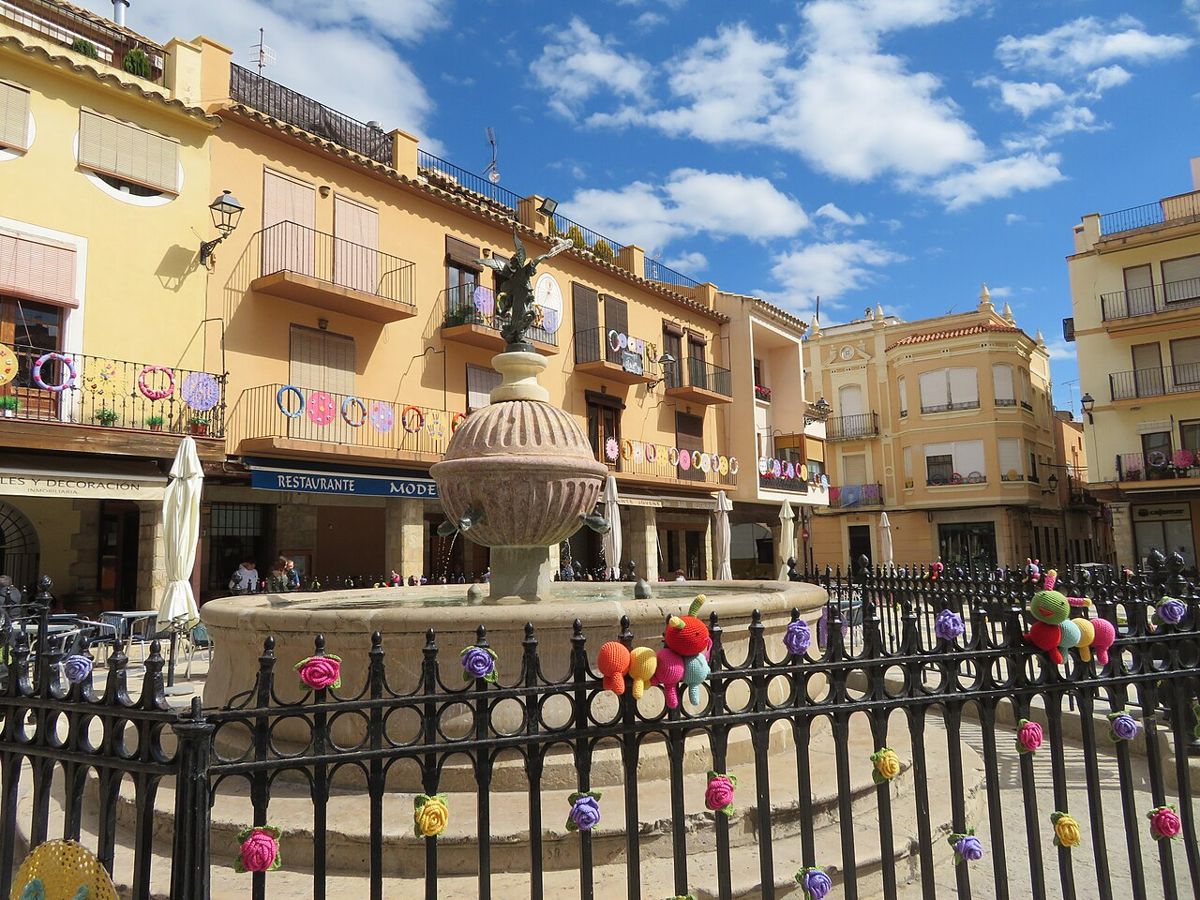

Sant Mateu, the historic capital of the Maestrazgo, with its historic centre and its Valencian Gothic archpriest church. Then the Pou del Mas Natural Museum of Millenary Olive Trees, in La Jana: 21 specimens on an open-air itinerary, in a municipality with some 966 millenary olive trees.Wikipedia (Spanish): Sant MateuWikipedia (Spanish): Pou del Mas Natural Museum of Millenary Olive Trees
Where to stay: the official register lists campsites with an annual period in Cervera del Maestre (Ciudad del Ciclismo) and Sant Jordi (Maestrat Park).Generalitat Valenciana open data: list of campsites (copy of 17 Nov 2026)
Day 4: Millenary olive trees of Canet lo Roig, Culla and the truffle
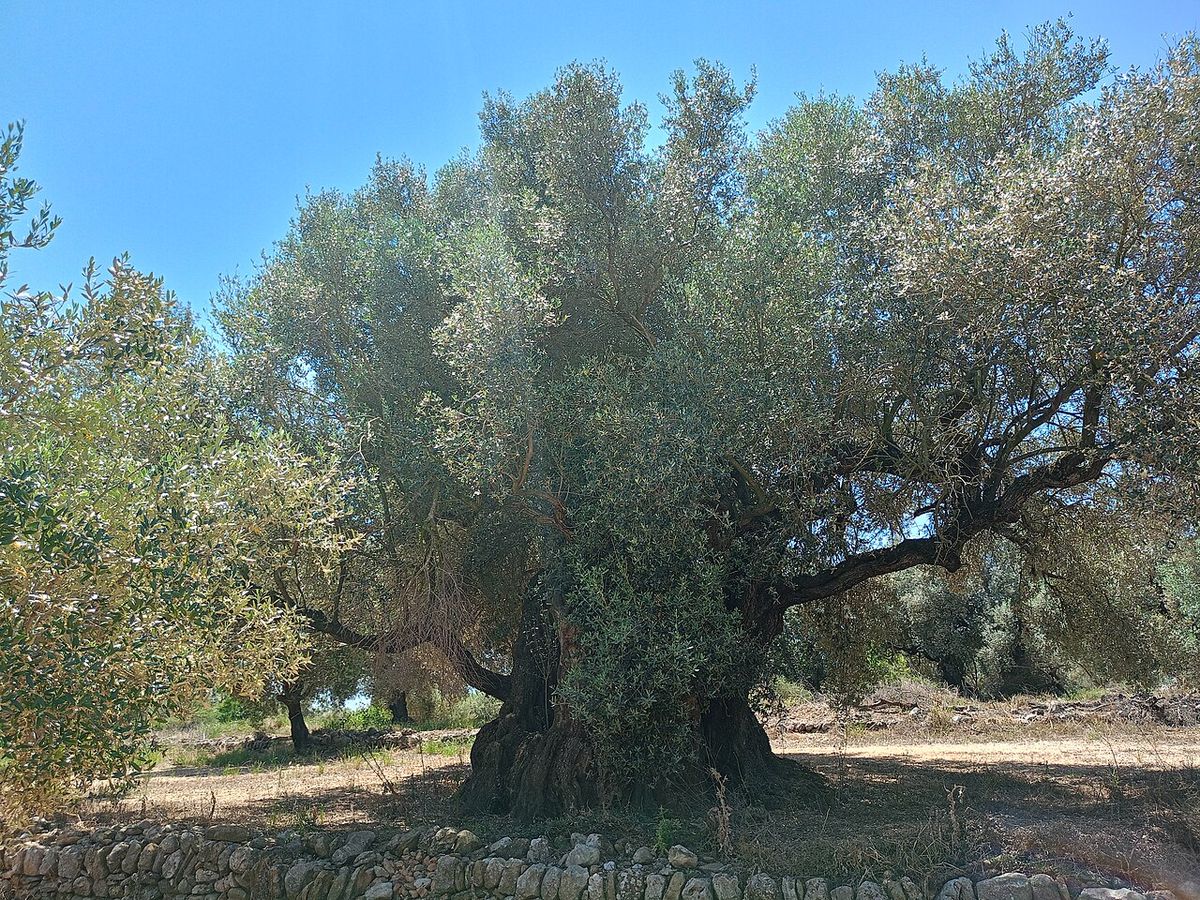

In the morning, trail SL-CV 58 in Canet lo Roig: 5.90 km, 1 h 20 min and 60 m of ascent from the Font de la Canal, with the “olivera de les quatre pates”, awarded best monumental olive tree in Spain in 2016 (the provincial council’s 14 km circular route is the long alternative). In the afternoon, Culla, a medieval village in Los pueblos más bonitos de España; in the black truffle season it holds a market (in 2025-2026, from 7 December to 8 February).FEMECV: SL-CV 58 «Ruta de los Olivos Milenarios» trail (Canet lo Roig)Turisme Castelló (provincial council): millenary olive trees route, Canet lo RoigWikipedia (Spanish): CullaTurisme Comunitat Valenciana: truffle and Maestrat products market (Culla)
Where to stay: campsites with an annual period in the interior (Maestrat Park, in Sant Jordi, or Ciudad del Ciclismo, in Cervera del Maestre); in winter, Culla is colder than the coast.Generalitat Valenciana open data: list of campsites (copy of 17 Nov 2026)
Day 5: Ares del Maestrat
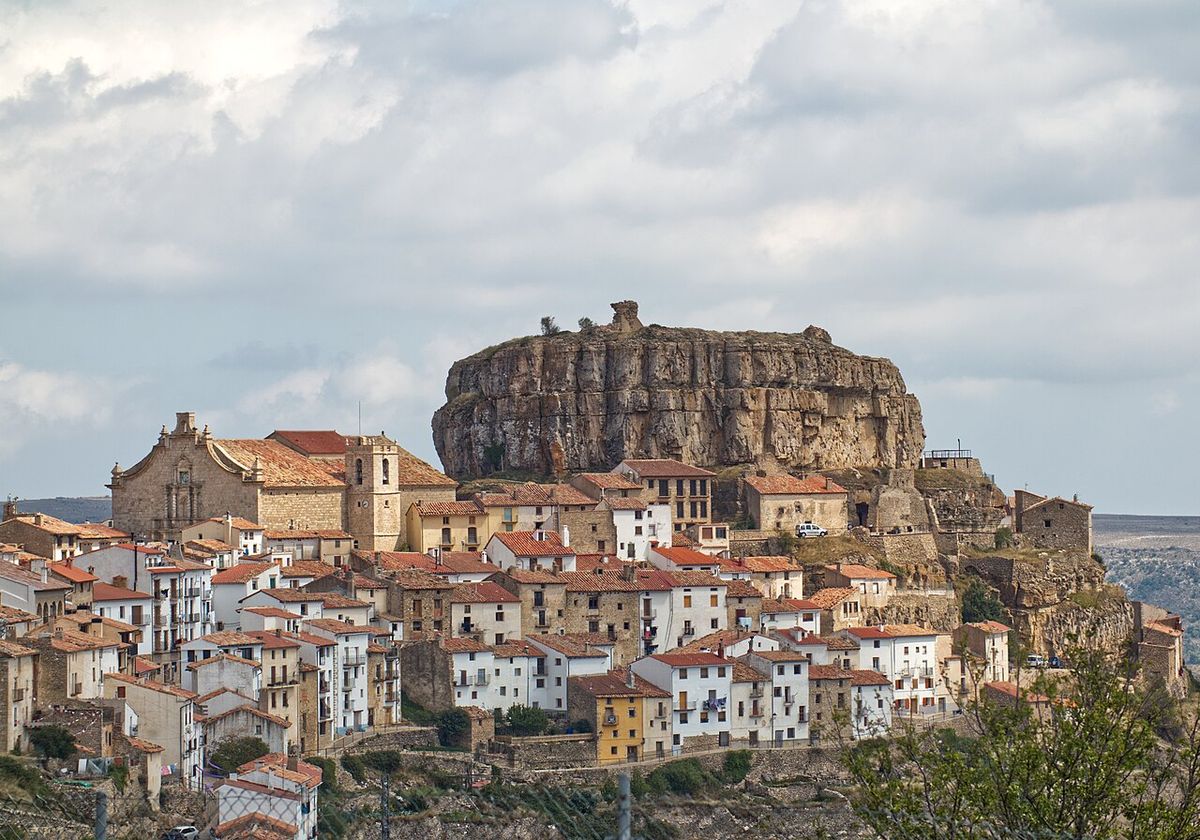

A village of 181 inhabitants on a promontory crowned by the Templar castle, between 700 and 1,300 m above sea level, with the Cueva Remigia (Levantine rock art) in its municipality. In winter it can reach -10 °C.Wikipedia (Spanish): Ares del Maestrat
Where to stay: the register of 17 Nov 2026 lists no campsite in Ares del Maestrat or Morella: the nearest campsites with an annual period in the register are in Sant Jordi and Cervera del Maestre; confirm opening and access.Generalitat Valenciana open data: list of campsites (copy of 17 Nov 2026)
Day 6: Morella
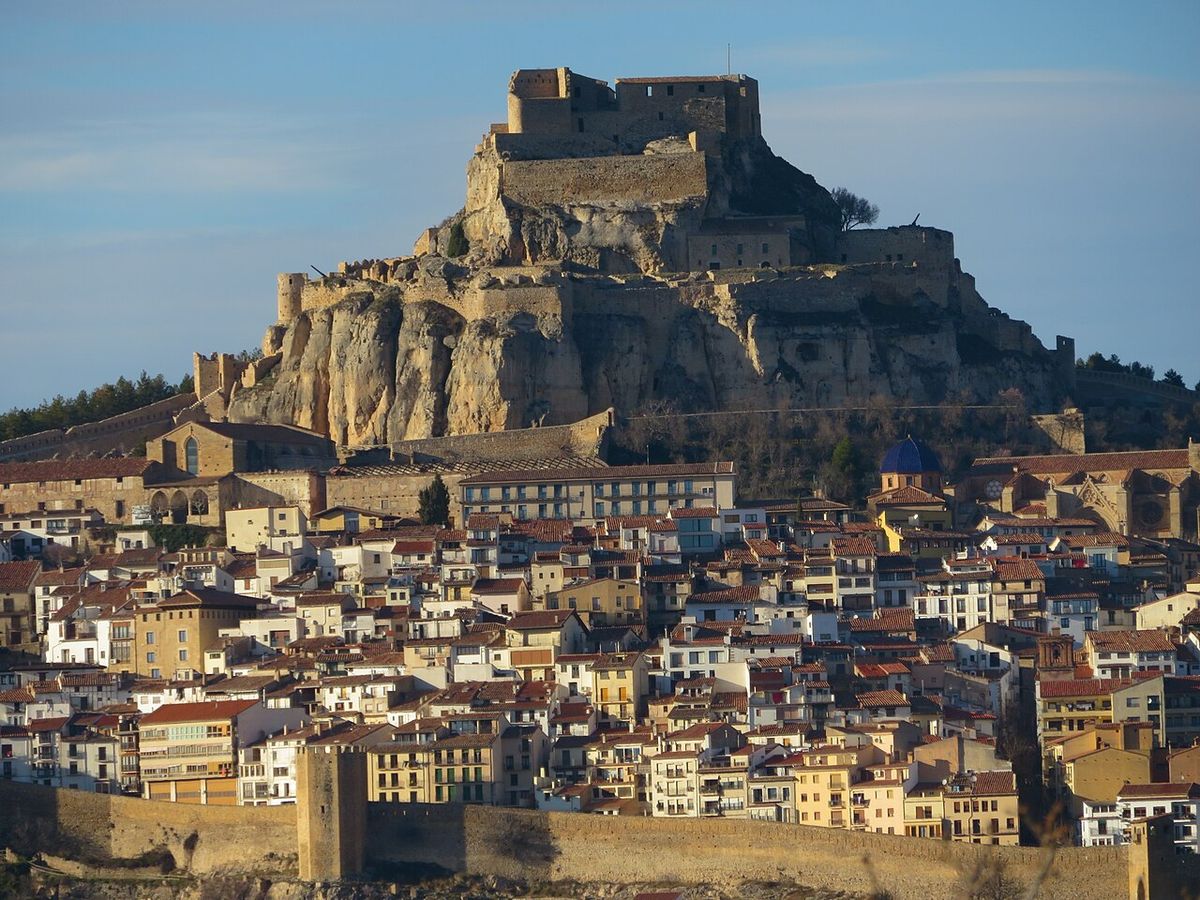

Walls some 2,500 m in perimeter and 10 to 15 m high, a castle declared a Historic-Artistic Monument in 1931 and an old town at 985 m above sea level. It is the coldest day: about 50 frost days a year and 15 snow days, with mistral in winter. Pick a clear day.Wikipedia (Spanish): Morella
Where to stay: as on the previous day; before going up, check the forecast and the roads.
Day 7: Prat de Cabanes and Grutas de San José
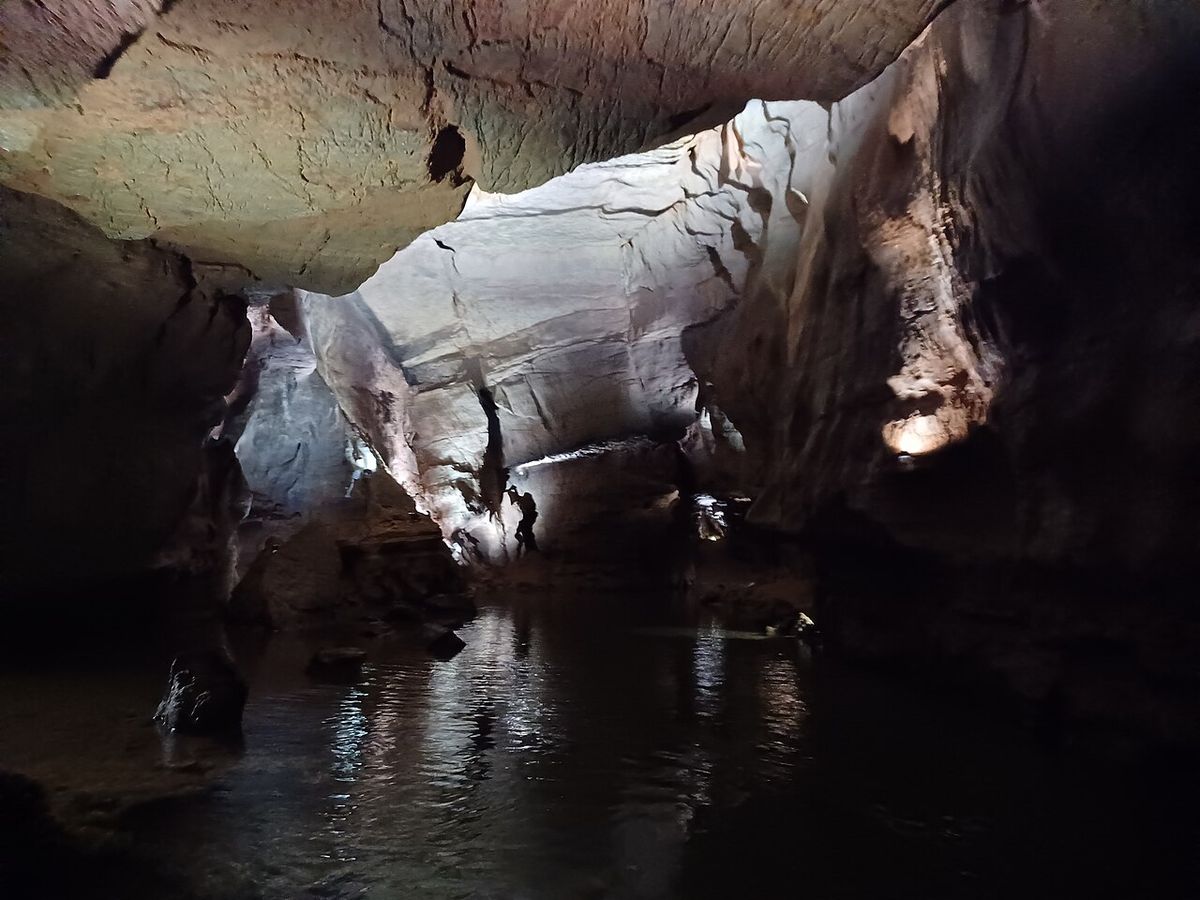

In the morning, the Prat de Cabanes-Torreblanca Natural Park (865 ha of wetland, wintering birds such as the cormorant or the kingfisher). In the afternoon, the Grutas de San José, in the Vall d'Uixó: 2,750 m of navigable underground river at a constant 20 °C.Wikipedia (Spanish): Prat de Cabanes-Torreblanca Natural ParkWikipedia (Spanish): Grutas de San José (Vall d'Uixó)
Where to stay: the Costa Azahar Camper Park, in Castelló de la Plana, is the transit overnight area in the register (114 pitches, annual period; 48 h maximum), and Cabanes and Oropesa have campsites with an annual period.Generalitat Valenciana open data: list of overnight stay areas (copy of 17 Nov 2026)Generalitat Valenciana open data: list of campsites (copy of 17 Nov 2026)DOGV: Decree 10/2021, regulation of tourist accommodation (8 Feb 2021)
More guides
Castellón province by motorhome · The Valencian Community by motorhome · Wintering by motorhome on the Levante coast
Frequently asked questions
How many days do you need to see Castellón by motorhome?
This route covers in seven days the north coast (Peñíscola, Alcossebre, Sierra de Irta), the interior (Sant Mateu, millenary olive trees, Culla, Ares and Morella) and, at the end, the Prat de Cabanes and the Grutas de San José.
Is winter a good time for this route?
The coast is mild, but the interior is cold: Morella has about 50 frost days a year and Ares del Maestrat can reach -10 °C. In winter it is best to keep Morella for a clear day and check the forecast before going up. The black truffle season coincides with winter.Wikipedia (Spanish): MorellaWikipedia (Spanish): Ares del Maestrat
Where do I sleep each night?
The official register lists campsites with an annual period in Peñíscola (9), Alcalà de Xivert-Alcossebre (4), Cervera del Maestre and Sant Jordi, among others, and an overnight area in Castelló de la Plana. Confirm opening with each one.Generalitat Valenciana open data: list of campsites (copy of 17 Nov 2026)Generalitat Valenciana open data: list of overnight stay areas (copy of 17 Nov 2026)
Sources
- Wikipedia (Spanish): Peñíscola
- Wikipedia (Spanish): Sierra de Irta Natural Park
- Generalitat Valenciana: report on the regulation of vehicle access to the Sierra de Irta, summer 2023
- Wikipedia (Spanish): Sant Mateu
- Wikipedia (Spanish): Pou del Mas Natural Museum of Millenary Olive Trees
- FEMECV: SL-CV 58 «Ruta de los Olivos Milenarios» trail (Canet lo Roig)
- Turisme Castelló (provincial council): millenary olive trees route, Canet lo Roig
- Wikipedia (Spanish): Culla
- Turisme Comunitat Valenciana: truffle and Maestrat products market (Culla)
- Wikipedia (Spanish): Ares del Maestrat
- Wikipedia (Spanish): Morella
- Wikipedia (Spanish): Prat de Cabanes-Torreblanca Natural Park
- Wikipedia (Spanish): Grutas de San José (Vall d'Uixó)
- Generalitat Valenciana open data: list of campsites (copy of 17 Nov 2026)
- Generalitat Valenciana open data: list of overnight stay areas (copy of 17 Nov 2026)
- DOGV: Decree 10/2021, regulation of tourist accommodation (8 Feb 2021)
- DGT (Spain): travelling by caravan, trailer or motorhome (parking and camping, in Spanish; copy of 20 Oct 2026)